Think about the last time you opened a “Getting Started” page. Chances are you copied the first command, got an error on step three, and immediately searched for the solution. Documentation was always optimized for the average user. The problem is that nobody is average. We all have slightly different operating systems, versions, configurations, and creative ways to break things.
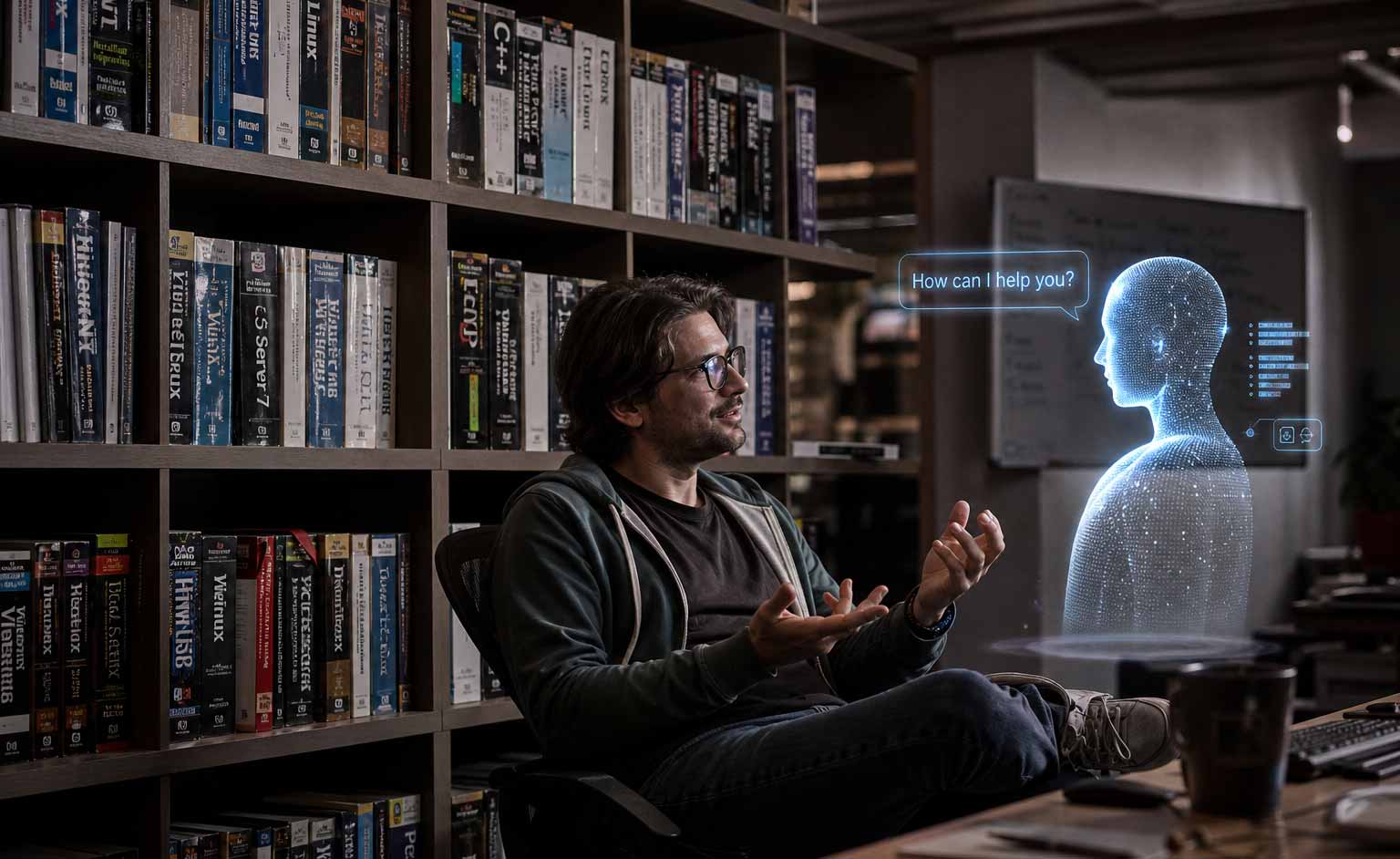
Large language models changed the equation. Instead of searching through twenty pages of documentation, you can now ask: “I’m on macOS, using Node 24, installed with Homebrew, and getting this error. What did I do wrong?” Suddenly the documentation becomes interactive. The knowledge hasn’t changed. The interface has. It’s the difference between reading a phone book and talking to a receptionist.
This doesn’t mean we should stop writing documentation. Quite the opposite. Good documentation has become more valuable than ever because AI consumes it directly. The audience is no longer just humans. Your README, architecture notes, API documentation, onboarding guides, and runbooks are now being read by thousands of AI assistants helping developers around the world.
This changes how we should write documentation. Stop optimizing for beautiful screenshots and fancy formatting. Optimize for clarity. Explain why things exist, not just how to use them. Document assumptions, common mistakes, architectural decisions, and examples. A developer can ask an AI where a command is documented. Neither the developer nor the AI can guess why you decided to do something a certain way.
The best documentation today is plain text, searchable, version-controlled, and close to the code. A good Markdown document can be understood by a junior engineer, a senior engineer, Claude, ChatGPT, Gemini, and whatever AI model appears next year. That’s a level of compatibility Microsoft Word never managed to achieve.
Which means that, for the first time in history, somebody might actually read the documentation you spent all weekend writing. And that somebody may not even be human.
Michal
